
The Weaver / INVESTIGATION
Seven Metres. No Signature.
The extraordinary lives of an Iranian carpet—and the names missing from its history.
1 MIN READTHE 1001 EDITORIAL DESK
Eighteen original pieces. Different lengths, disciplines and ways of getting to the point.
OCTOBER 2026The extraordinary lives of an Iranian carpet—and the names missing from its history.
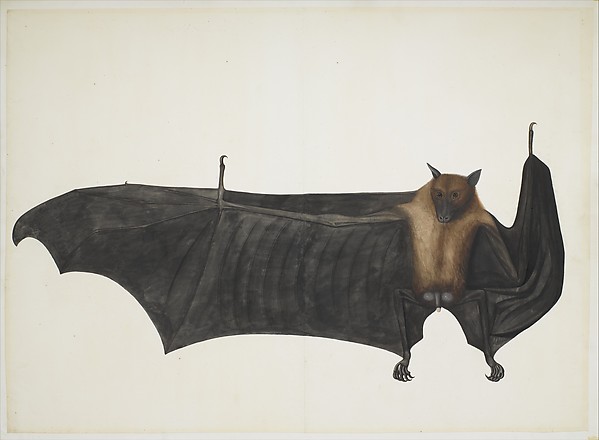
Bhawani Das painted a fruit bat without shrinking its strangeness.
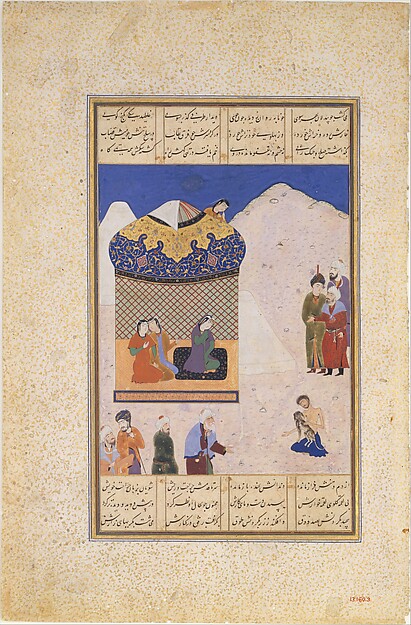
Persianate poetry reappears on a manuscript page, and the encounter remains unresolved.
The extraordinary lives of an Iranian carpet—and the names missing from its history.
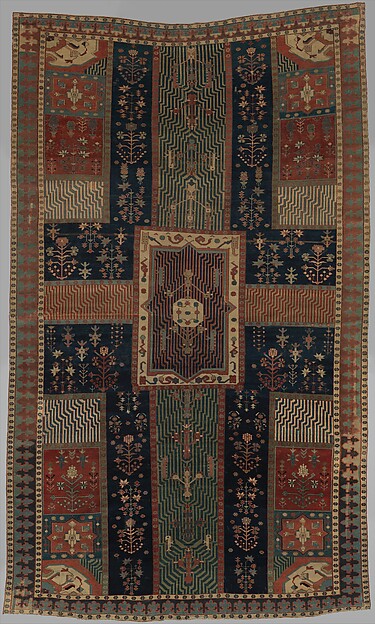
An eighteenth-century Iranian carpet that invites you to wander without moving.
Bhawani Das painted a fruit bat without shrinking its strangeness.
Persianate poetry reappears on a manuscript page, and the encounter remains unresolved.

An eighteenth-century scientific instrument that refuses the separation of beauty and usefulness.

A performance held in colour, gesture and the silence of paper.
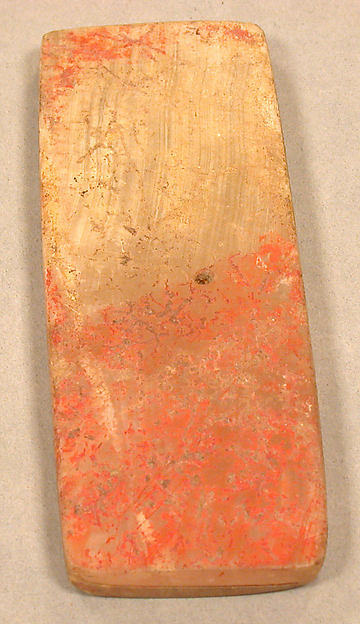
A Mexican musical instrument, centuries old, whose sound is absent from the archive.
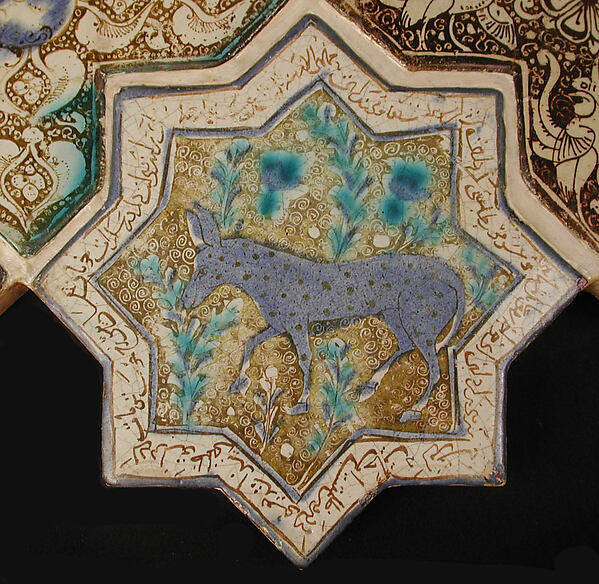
Thirteenth-century Kashan pottery makes an argument for looking twice.
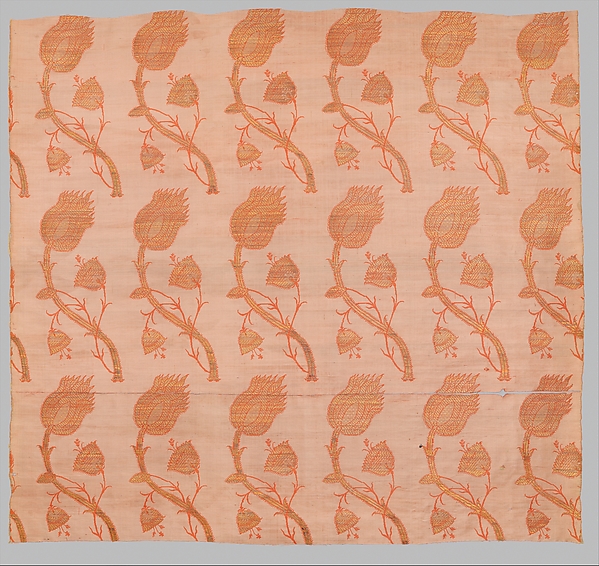
An exquisite textile whose origin is registered as India or Iran.
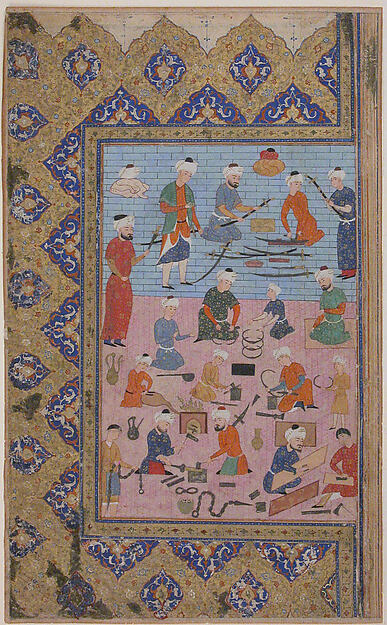
A Persian manuscript painting shifts attention from a finished object to the people making it.
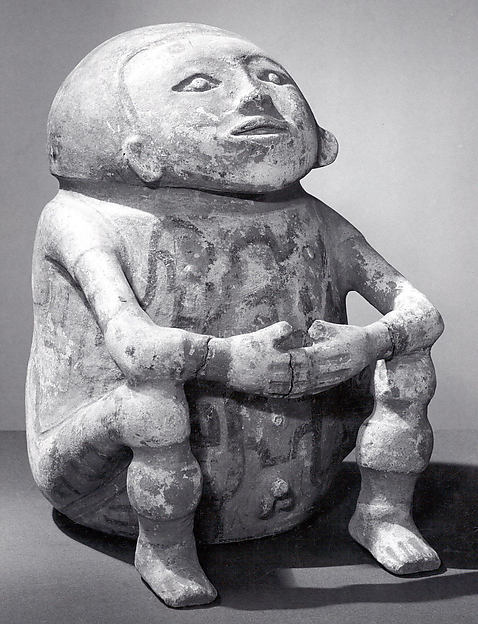
An Ecuadorian ceramic vessel shaped like a seated man.

Torii Kiyonaga shows how a performance can reorganise a landscape.
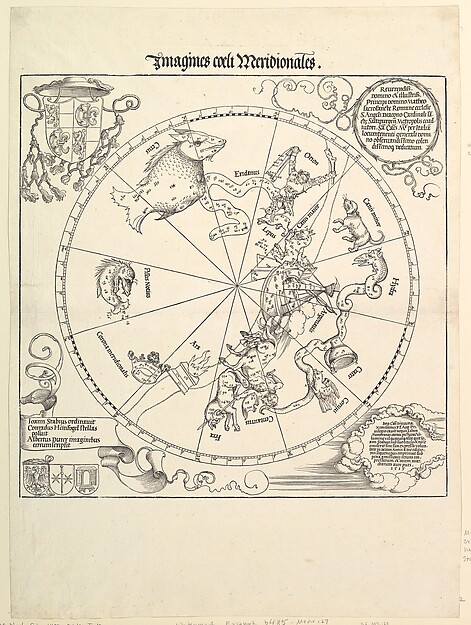
Dürer mapped the southern heavens on paper in 1515.

A Japanese lacquer object that turns performance into portable decoration.
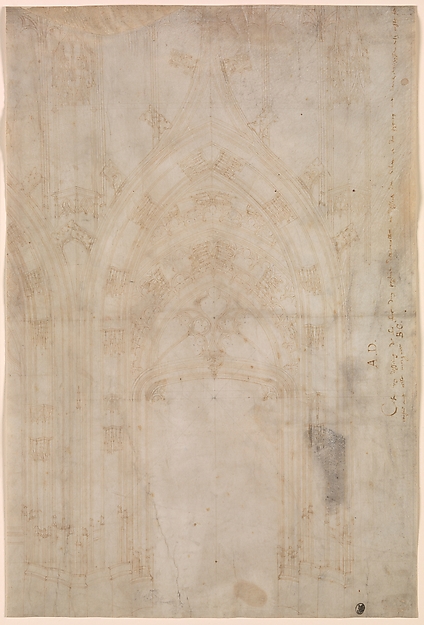
A fifteenth-century French drawing insists that buildings begin as thought.
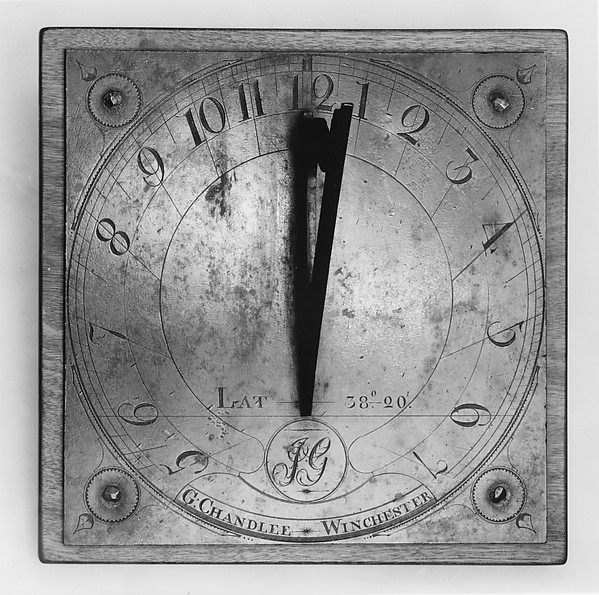
A brass sundial asks whether measurement has to feel mechanical.

An Iranian carpet holds a crowd of animals that could never share one habitat.

An engraving of a peasant dance crowds its picture with movement.